
led backlit mirror
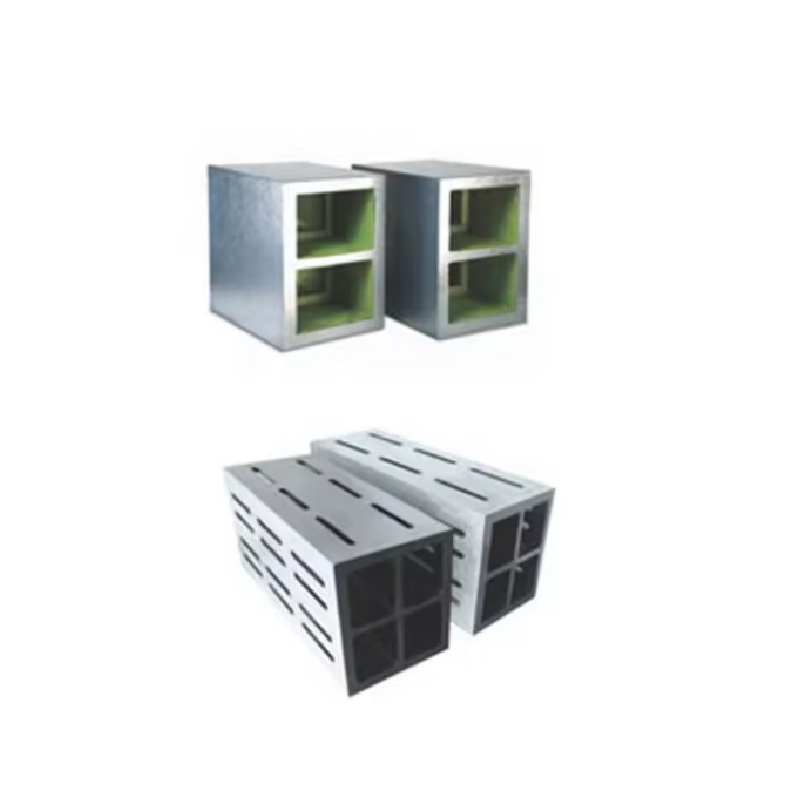
The Significance of Pad Iron in Modern Construction and Design In the realm of construction and design, materials play a pivotal role in determining both the structural integrity and aesthetic appeal of a project. Among these materials, pad iron has emerged as a significant element used in various applications. Traditionally, pad iron refers to a flat piece of iron or steel plate that is employed to distribute weight or pressure over a wider area. Its versatility and strength make it an essential component in both historical and contemporary building practices. The origins of pad iron can be traced back to ancient civilizations, where metalworking techniques were developed to improve structural stability. Initial uses of pad iron were primarily for reinforcing wooden structures, bridging gaps, or providing additional support to key components. Through the ages, as construction techniques evolved, so too did the applications of pad iron. Today, it is commonly found in a wide variety of constructions, from residential buildings to large-scale industrial projects. One of the most critical functions of pad iron is its ability to distribute weight effectively. In engineering terms, this is known as load distribution. When heavy materials or machinery are placed on a surface, the pressure can cause stress points that may lead to structural failure. Pad iron helps mitigate this risk by spreading the weight across a larger area, thereby reducing the likelihood of damage. This function is particularly vital in settings like bridge construction, where the integrity of the entire structure depends on the even distribution of weight. In addition to its structural advantages, pad iron also serves an important aesthetic function. In modern architecture, the exposure of raw materials such as iron and steel has become a popular design choice. Many architects integrate pad iron into their projects to create an industrial look, blending old-world materials with contemporary design elements . This trend not only celebrates the material’s historical significance but also showcases its robustness and practicality. pad iron Furthermore, pad iron has found applications beyond basic construction. In the realm of art and sculpture, artists have begun to utilize pad iron in their works to achieve unique structural and visual effects. Its malleability allows for creative designs that push the boundaries of traditional forms. Whether used in landscaping, sculptural pieces, or innovative architectural canopies, pad iron contributes a rugged yet elegant touch. Another noteworthy application of pad iron is in the realm of bridge building. Bridges must handle not just static loads but also dynamic forces due to vehicular and pedestrian traffic. Pad iron is often used in the construction of expansion joints and bearings, which allow structures to accommodate movement caused by temperature changes or heavy loads. By providing additional support and flexibility, pad iron helps ensure that bridges remain safe for public use, demonstrating its critical role in civil engineering. Beyond its physical applications, pad iron also holds a symbolic place in our architectural heritage. It represents the intersection of function and form, embodying the principles of durability and design. The use of pad iron in restoration projects highlights its significance in preserving historical structures, proving that modern materials can harmonize with traditional craftsmanship. In conclusion, pad iron is a material that has stood the test of time, evolving from its basic function of weight distribution to becoming a multifaceted element in modern construction and design. Its strength, versatility, and aesthetic appeal continue to inspire architects, engineers, and artists alike. As we move forward into an increasingly complex architectural landscape, the enduring presence of pad iron serves as a reminder of the importance of functionality and creativity in building a better world. Emphasizing both its practical applications and its artistic potential, pad iron remains a foundational element in the evolution of our built environment.
about
led backlit mirror
The Importance of Micrometre Precision in Modern Applications In today’s advanced technological landscape, precision has become a fundamental requirement across various industries. Micrometre precision, referring to measurements at the scale of one-millionth of a meter, plays a crucial role in ensuring the accuracy and reliability of numerous applications. This level of precision is particularly vital in fields such as manufacturing, aerospace, medicine, and electronics, where the slightest deviation can lead to significant consequences. In manufacturing, particularly in industries producing intricate components like gears, bearings, and microchips, achieving micrometre precision is essential. This precision not only ensures the proper fit and function of parts but also enhances the overall efficiency and safety of machinery. For example, in the automotive sector, precise measurements can directly affect engine performance, fuel efficiency, and emissions control, ultimately influencing both consumer satisfaction and regulatory compliance. The aerospace industry exemplifies the critical nature of micrometre precision, where tolerances can be as tight as a few micrometres. Components such as turbine blades and structural parts must meet exact specifications to withstand extreme conditions during flight . Any inaccuracies could lead to catastrophic failures, making precision engineering a non-negotiable aspect of aircraft manufacturing and maintenance. micrometre precision In the realm of medicine, micrometre precision has transformed how we approach diagnostics and treatment. For instance, advances in micro-surgery and the development of medical instruments rely heavily on precise measurements to minimize damage to surrounding tissues and improve patient outcomes. Additionally, the fabrication of drug delivery systems, where drugs are administered at the cellular level, necessitates a level of precision that ensures the right dosage reaches the target area. Electronics, too, benefit significantly from micrometre precision. The miniaturization of components in devices such as smartphones, tablets, and computers has enabled increased functionality while reducing size. This trend demands manufacturing processes that can operate within micrometre tolerances to maintain performance and reliability in a highly competitive market. In conclusion, micrometre precision is a cornerstone of modern technology, enhancing safety, efficiency, and functionality across various sectors. As industries continue to evolve, the demand for precision will only grow, driving innovation and improvement in measurement technologies. Whether in manufacturing, aerospace, medicine, or electronics, the ability to achieve and maintain micrometre precision is critical for future advancements and success in an increasingly precision-driven world.
-

High quality industrial productsagement

High quality industrial products
View Details -

Meet the diverse needs of customers

Meet the diverse needs of customers
View Details -

Strict quality control

Strict quality control
View Details -

Top raw materials

Top raw materials
View Details -

Trusted supplier

Trusted supplier
View Details
Our application


news and information
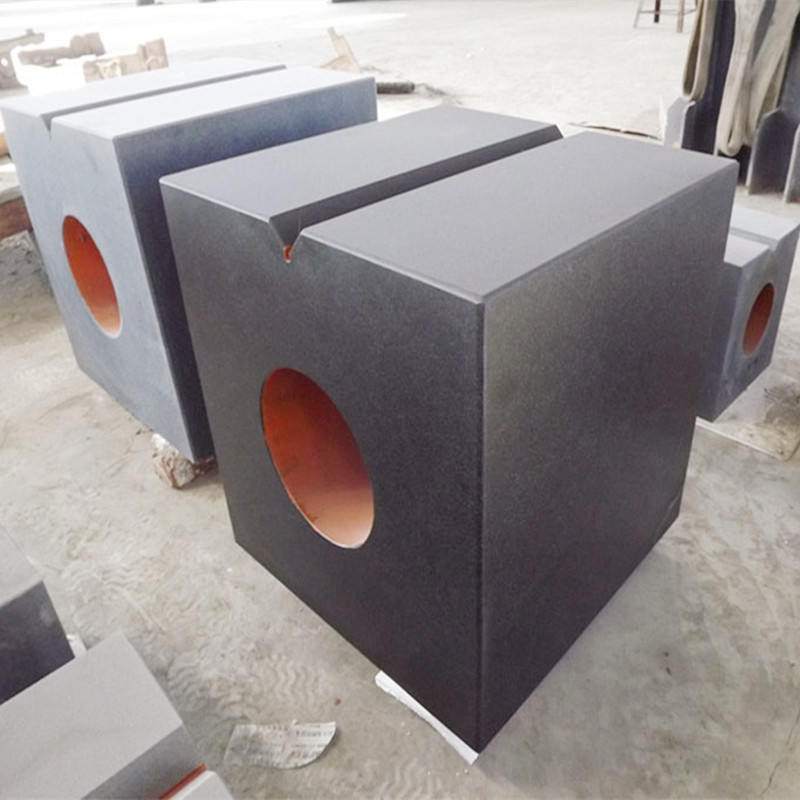
v block made of
Understanding V-Block Made Of A Fundamental Tool in Manufacturing In the world of manufacturing and
welding inspection ruler
The Importance of Welding Inspection Rulers in Quality Control In the world of manufacturing and con
Water Valve Types And Their Delivery Times
Water valves play a crucial role in managing water flow within your home or industrial system. Wheth
 English